BULGARIA | Socializing | Culture
Mentality & communication
After the political changes of the late 80s, Bulgaria is still undergoing considerable economic changes that are influencing the cultural and social life of Bulgarian people. Traditionally, people are friendly to foreigners so you can expect to make friends in relatively short time and they will be helpful and reliable. You can usually count on your Bulgarian friends to do a lot for you out of friendship, but they will also expect a lot in return (spending time together, openness, etc.). People like to show newcomers around and are proud of their cultural heritage. Unfortunately, they have less time now trying to adjust to the new economical conditions and most of the people have more than one job.
One way of communicating is 'small talk'. Talking to a stranger in the bus, in a shop, or standing in line is normal. Favourite topics of small talk are the weather or local events. In Bulgaria, people often criticize the imperfections they see around them, sometimes with humor. Sometimes Bulgarians talk about politics in public, but this could lead to an argument. Young people rarely chose this topic though, they prefer to talk about music, computers, cell phones or job possibilities in Bulgaria and outside of the country.
Going out to eat or drink
At restaurants or pubs, most of the time people pay for themselves. If you get invited and somebody pays for you, it is polite to return the treat at some other time. People usually give tips to waiters in restaurants, coffee bars and pubs, the price is then rounded up.
Most restaurants open in the morning around 11 am and do not close until 11 pm. Opening hours of pubs and bars vary. Some open early in the day and stay open until the last customer leaves.
Local customs
The biggest holidays in Bulgaria are Christmas and Easter – they are family holidays, meaning people visit relatives and exchange presents for Christmas and dye eggs for Easter. A big thing in Bulgaria is celebrating name days. A lot of people are named after saints from the Orthodox calendar and they celebrate their name day on the day of the saint. Usually, they arrange big parties and you do not have to be invited to the party to go and congratulate the person whose name day is being celebrated. This person also gets presents like the ones given for birthdays, so do not forget to pick up something if you are going to such party - it could be a bottle of good wine or another kind of alcohol, sometimes just flowers.
Another specific holiday that is celebrated only in a few more countries is March 1st – Baba Marta (Grandma March). According to folklore traditions, this is the beginning of spring. On this day, people exchange Martenitsas – lucky charms made of red and white thread, often with blue beads. They wear them on their clothes, wrists, and necks for good luck and harvest until they see a stork.
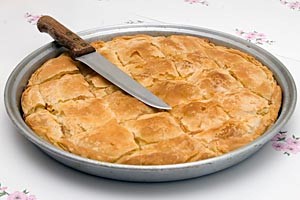
Typical local recipe