GERMANY | Socializing | Culture
Mentality & communication
Germans draw a big line between work and their spare time. At work, personal relationships play a minor role which makes them all the more important after work. Germans do not like small talk and superficial relationships. They like close, reliable friendships. You can usually count on a German friend to do a lot for you out of friendship but he or she will also expect a lot in return (e.g. interest in their life, openness, remembering his or her birthday, etc.). Since Germans are usually slow to take the initiative and friendship is an important value, it is not easy to make German friends. But once you have some, they tend to be very loyal, reliable, and helpful.
Invitations
If you are invited, ask your host if you should bring something or what you should bring. If you are not expected to bring anything, it is common to bring a bottle of wine or some snacks for dinner. If you receive a somewhat formal invitation, give a small present to your host, for instance flowers or some chocolates. Among students, it is common to get together to cook in the evening (do not forget to bring recipes from your home country) and to sit together, talk, and maybe even drink all evening long. In general, everybody invited contributes some ingredients or lends a hand wherever they can.
Going out to eat or drink
Germans usually eat three meals a day: breakfast in the early morning, lunch around 12 am and supper between 6 and 8 pm. Traditionally, most people eat a warm meal for lunch and/or dinner and have bread in the morning and/or evening. If people cook with friends or go out to eat, they usually cook warm, comfort food. Germans love to go out to cafés or restaurants for any meal of the day. This way, they spend some quality time with their family and friends. In the evening and especially in summer, it is not uncommon to stay out for long and get some drinks at a nearby Späti, a kiosk where you can get mostly drinks but also snacks until late in the evening.
At restaurants or pubs, people pay for themselves. If you get invited, you should return the treat at some other time.
Since Germans usually eat a warm meal for lunch and/or dinner, most restaurants already open in the morning around 11 am and do not close until 11 pm. Opening hours of pubs and bars vary. Some open early in the day while most do not close before 1 am when the last guest leaves.
Local customs
In the Catholic areas of Germany (Rhineland, Southern Germany), people celebrate Carnival (called Fasching or Karneval) in the “dark” season. Carnival starts on November 11 at 11.11 am and ends with exuberant celebrations and a Carnival Parade on the Monday before Shrove Tuesday (end of February). Germans either love or hate Carnival but it is worth immersing yourself at least once. To be admitted to a Carnival party, you have to dress up in something. If you just want to watch the Carnival Parade, you do not have to wear a costume.
Apart from Carnival, the many different regions of Germany celebrate a lot of other popular festivals and events, such as wine festivals, fishing festivals, beer gardens, etc. For more information, check your local paper and city magazines.
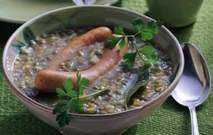
Typical local recipe